
 Alek
Alek
A new city feels most alive after dark. Streets fill with music, kitchens stay open late, and a short walk can turn into the best story of the trip. It can also become surprisingly difficult to make good decisions when you are tired, distracted, unfamiliar with the roads, or trying to work out whether the car waiting outside is the one you booked.
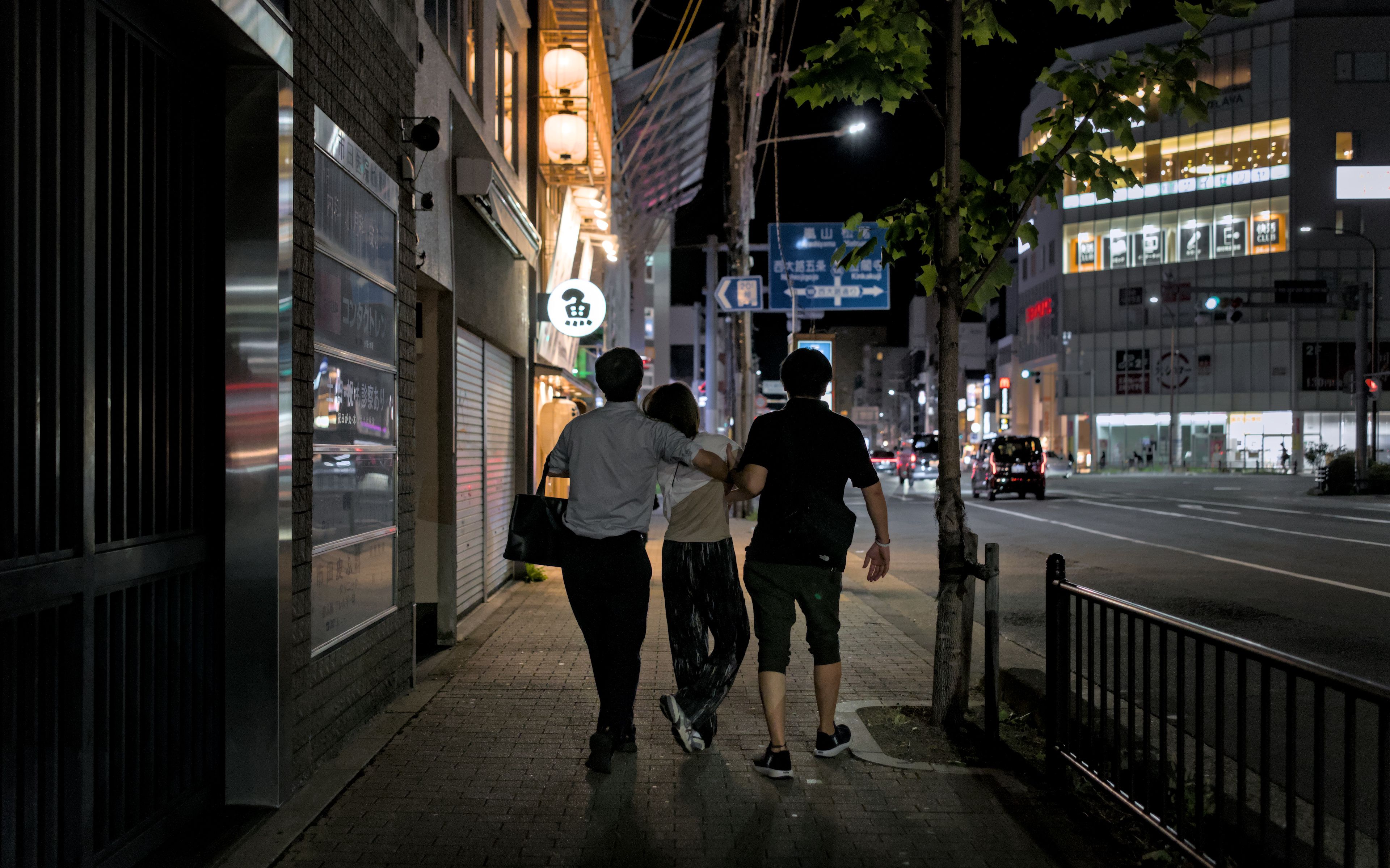
My basic rule is simple: make the important decisions before the first drink. Know where you are going, how you will leave, who knows your plan, and what you will do if the evening stops feeling right. That is not overcautious. It is how you keep a small uncertainty from becoming a late-night problem.
Start with a return plan, not a venue
Before heading out, save the address of your accommodation in your phone and write it down somewhere separate if your battery is unreliable. Check whether the last train or bus leaves earlier than expected, whether the venue is in a different district from the restaurants you want to visit, and which taxi or ride-hailing services are licensed locally.
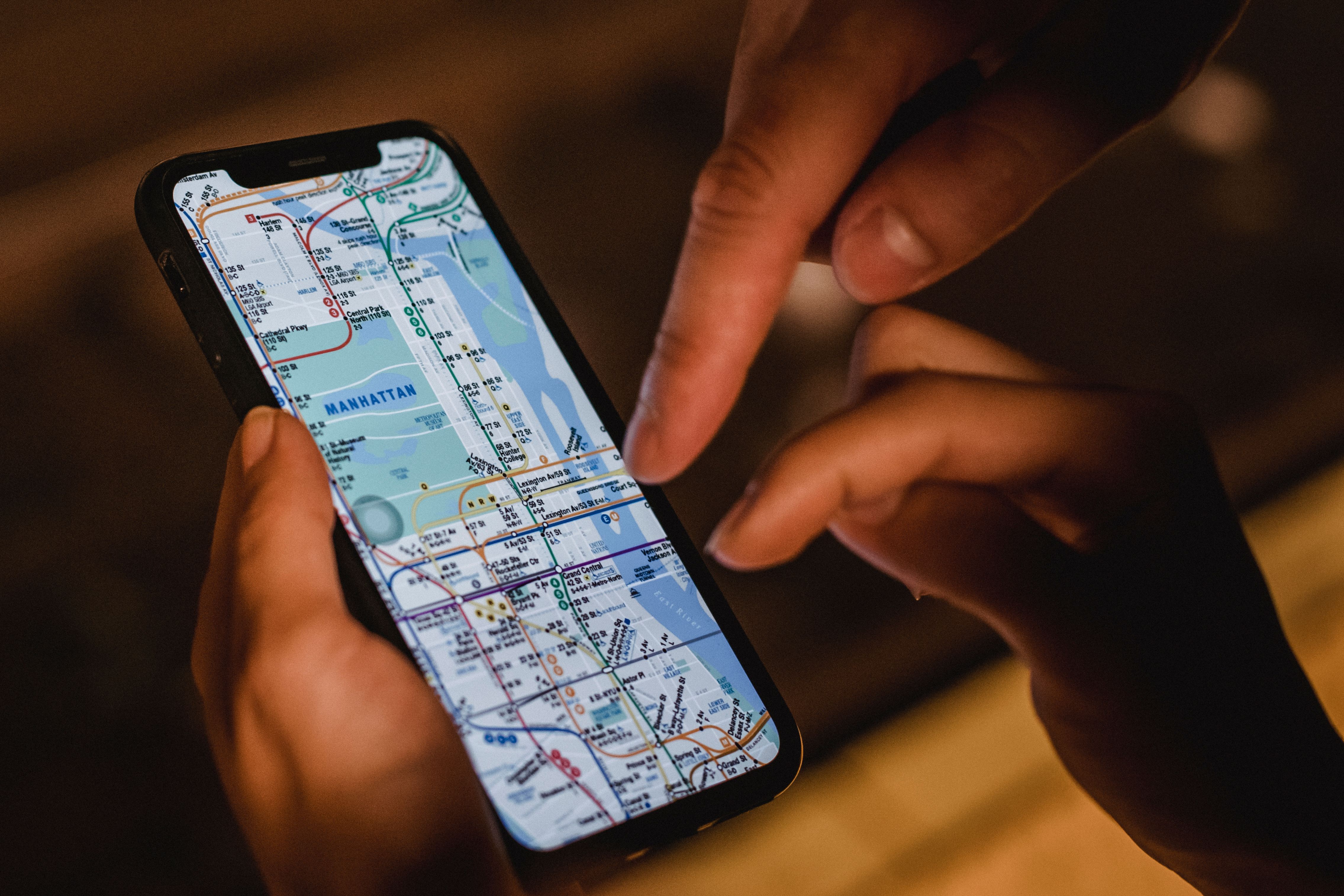
The U.S. State Department’s guidance on transportation safety abroad recommends researching local transport and using reputable, licensed providers. App-based rides can be useful because they create a record of the driver, vehicle, and route, but an app is not a substitute for checking the vehicle details before you get in.
- Share your live route or ride details with someone you trust.
- Agree on a check-in time, especially if the group may split up.
- Keep your phone charged and carry enough money for a fallback journey.
- Do not rely on a stranger’s offer of a lift, a “shortcut,” or an unofficial taxi.
If you are meeting an adult contact arranged online, apply the same rule as with any new acquaintance: make the first meeting in a busy public place, tell someone where you are, and keep control of your own transport. For example, someone researching a social evening in Western Australia can look at Perth escorts, but the safety plan should exist independently of the listing or the person you may meet.
Choose places with visible systems
A venue does not need to be fashionable to be a sensible choice. Look for a staffed entrance, visible bar and security procedures, clear exits, and a crowd that feels compatible with the kind of night you want. Licensed venues are generally more accountable than improvised events with no obvious organizer, although no license makes a place risk-free.
When you arrive, notice the practical details most people ignore: where the toilets are, how you would leave if the main entrance became crowded, and whether staff are easy to find. If a venue’s atmosphere turns aggressive, coercive, or simply wrong for you, leave early. You do not owe a room your continued presence because you paid a cover charge.
Drinks, alcohol, and the point where judgment changes
Drink safety advice should never be used to blame someone who has been harmed. Spiking is the offender’s responsibility, and it can happen to anyone. Still, a few habits reduce avoidable exposure: buy or order your own drink, watch it being prepared when practical, do not accept an opened drink from a stranger, and discard it if it tastes or looks unusual.
UK Travel Aware notes that alcohol can feel stronger abroad because measures differ, while heat and dehydration can make the effects worse. Its advice on spiking and methanol poisoning also recommends sticking to licensed venues and avoiding unlabelled or suspiciously cheap alcohol. The point is not to spend the evening policing a glass. It is to avoid handing your safety decisions to a drink you cannot identify.
Set a limit before you go out and slow down when you are in unfamiliar surroundings. Alcohol narrows attention; that matters when you are crossing streets, reading a map, negotiating a fare, or deciding whether to leave with someone you have just met. Alternate with water, eat something, and treat sudden or disproportionate intoxication as a warning rather than a challenge to “push through.”
Keep the group connected without turning the night into a roll call
A useful group agreement is less elaborate than a buddy-system lecture. Decide how you will signal that someone wants to leave, make sure nobody disappears without telling at least one person, and avoid letting the most intoxicated friend make the transport decision alone.
If you meet someone new and decide to continue elsewhere, introduce them to your friends and say where you are going. That small act creates a witness and gives your group a chance to notice pressure that can be hard to see from inside a conversation. The same principle applies whether you are in a pub district in the UK, a late-night neighborhood in India, or a club area in Australia. For readers arranging a private adult meeting in the Midlands, even a search for Birmingham escorts should be followed by the same public-meeting, independent-transport precautions.
Walking after dark: make visibility work for you
Use busy, well-lit streets where possible and keep your attention available for traffic. In unfamiliar cities, the most immediate danger may be a poorly marked road, a fast scooter, or a driver who does not expect pedestrians to cross. The State Department identifies road crashes as a leading cause of non-natural deaths for U.S. citizens abroad, so “the bar is only five minutes away” is not a safety assessment by itself.
Do not walk with your phone held out continuously, and avoid displaying passports, large amounts of cash, or expensive jewelry. If you need directions, step into a hotel, shop, or well-lit venue and check the route there rather than stopping at an empty corner.
Public transport is a plan, not a last resort

Public transport can be the safest way home, but only if you know how it works. Check the final departure time, the correct platform, and whether the stop near your accommodation is actually open at night. In crowded stations, keep bags closed and away from doors, where a thief can grab something and disappear as the vehicle leaves.
Use an official taxi rank, a reputable booking app, or a transport option recommended by local authorities or your accommodation. Confirm the registration or driver details before entering. If the price or route changes abruptly, ask to stop in a busy, public place rather than arguing in a deserted street.
If something feels wrong, act early
Safety decisions are easier when they are still reversible. Move toward staff, security, a hotel desk, a staffed shop, or a group of families. Call someone you trust. If a person is following you, do not lead them to your accommodation; change direction and enter a public place.
If you or a friend suddenly become confused, sick, unusually sleepy, uncoordinated, or unable to communicate normally, treat it as a possible medical emergency. Tell venue staff, stay with the person, and call local emergency services. Police.uk’s guidance on what to do after suspected spiking says to get to safety, alert staff, avoid leaving alone with a stranger, and seek emergency medical attention if needed.
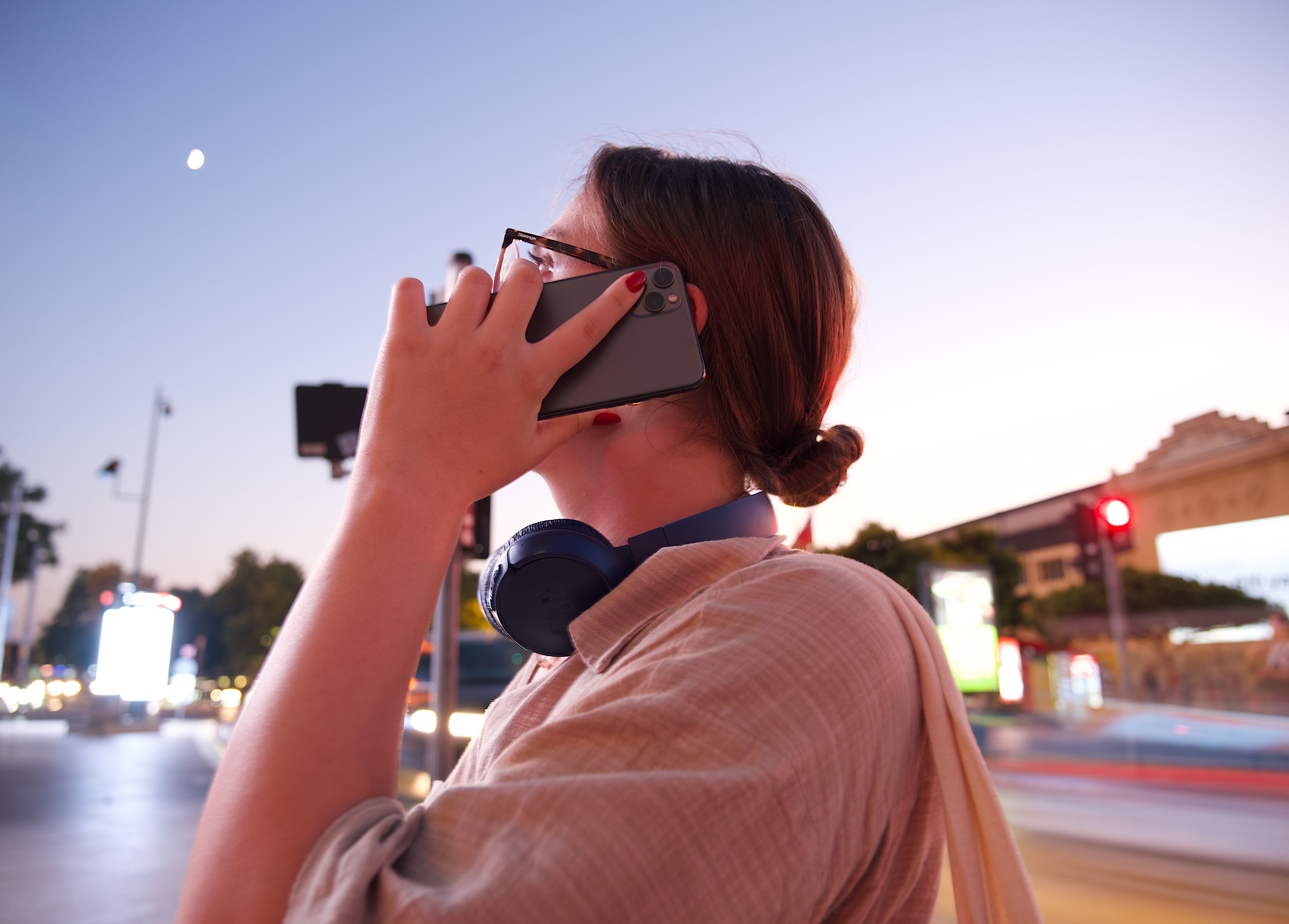
Do not force a diagnosis in the street. It may be alcohol, illness, dehydration, an injury, or a substance. The correct response is still to get the person somewhere safe and obtain medical help. If an assault may have occurred, medical professionals and local authorities can explain the next steps; the person affected is not responsible for what happened.
One more question before you go out
What would make you leave immediately? Decide now: unwanted touching, a drink you did not see poured, a driver who will not match the booking, a friend who suddenly seems unwell, or a stranger insisting that you go somewhere private. You do not need courtroom-level evidence to leave a venue. Discomfort is enough.
That standard is particularly useful when arranging a night out in a city you do not know. Someone comparing nightlife or adult services in southern India, for example, may come across Bangalore escorts; whatever the plan, the non-negotiables remain the same: public first contact, a trusted person informed, your own transport, and the freedom to cancel without debate.
The short version
Enjoying a city after dark is not about eliminating every risk. It is about removing the predictable ones before they become urgent: know the route home, choose accountable venues, watch your drink without blaming victims, keep a friend in the loop, use licensed transport, and leave at the first clear sign that a situation is turning unsafe.
The best nightlife plan is deliberately boring in one respect: when the night ends, you already know how it ends.
How this article was put together
This guide was written for visitors exploring unfamiliar cities at night, using current public guidance checked in October 2026 from the U.S. State Department’s transportation and crime guidance, UK Travel Aware’s advice on spiking and methanol poisoning, and Police.uk’s response guidance for suspected spiking. It focuses on broadly applicable behavior rather than city-specific claims, because local laws, emergency numbers, transit hours, and venue practices vary. Recheck official travel advice and local transport information immediately before a trip.