
 Alek
Alek
Autumn travel is often sold as a single idea: red leaves, crisp mornings, and half-empty cafés. The reality is more useful. September, October, and November behave very differently from place to place, and the best destination depends on whether you want warm sea water, walking weather, mountain air, or a city that has finally exhaled after summer.
For 2026, my best advice is simple: aim for the shoulder-season window rather than the famous seasonal peak. In Kyoto, that usually means October instead of the final weeks of November. In Corsica, it means taking advantage of October’s mild coast before winter closures. In India, it means matching the month to the city, because Chennai’s autumn can be rainy while Chandigarh’s is made for outdoor sightseeing.
Here are 13 places worth considering, with the trade-offs included rather than hidden.
Quick guide: where each destination fits
| Destination | Best autumn window | Best for |
|---|---|---|
| Kyoto | Late October to early November | Temples, gardens, and culture |
| Corsica | September to October | Coast, villages, and hiking |
| Tuscany | October to November | Food, countryside, and slow travel |
| Chamonix | September to early October | Mountain scenery without ski-season crowds |
| Lisbon and Sintra | October to November | City breaks and nearby coast |
| Madeira | October to November | Warm island walks |
| Lake Bled | September to October | Alpine scenery and gentler pace |
| Crete | October | History, beaches, and village food |
| Malta and Gozo | October to November | Sun, swimming, and archaeology |
| Chennai | Early October or late November | Culture and coastal food |
| Chandigarh | October to November | Architecture, gardens, and day trips |
| Ahmedabad | November | Heritage, textiles, and food |
| Andalusia | October to November | Historic cities and warm evenings |
1. Kyoto, Japan: go for the walking weather, not just the maple leaves
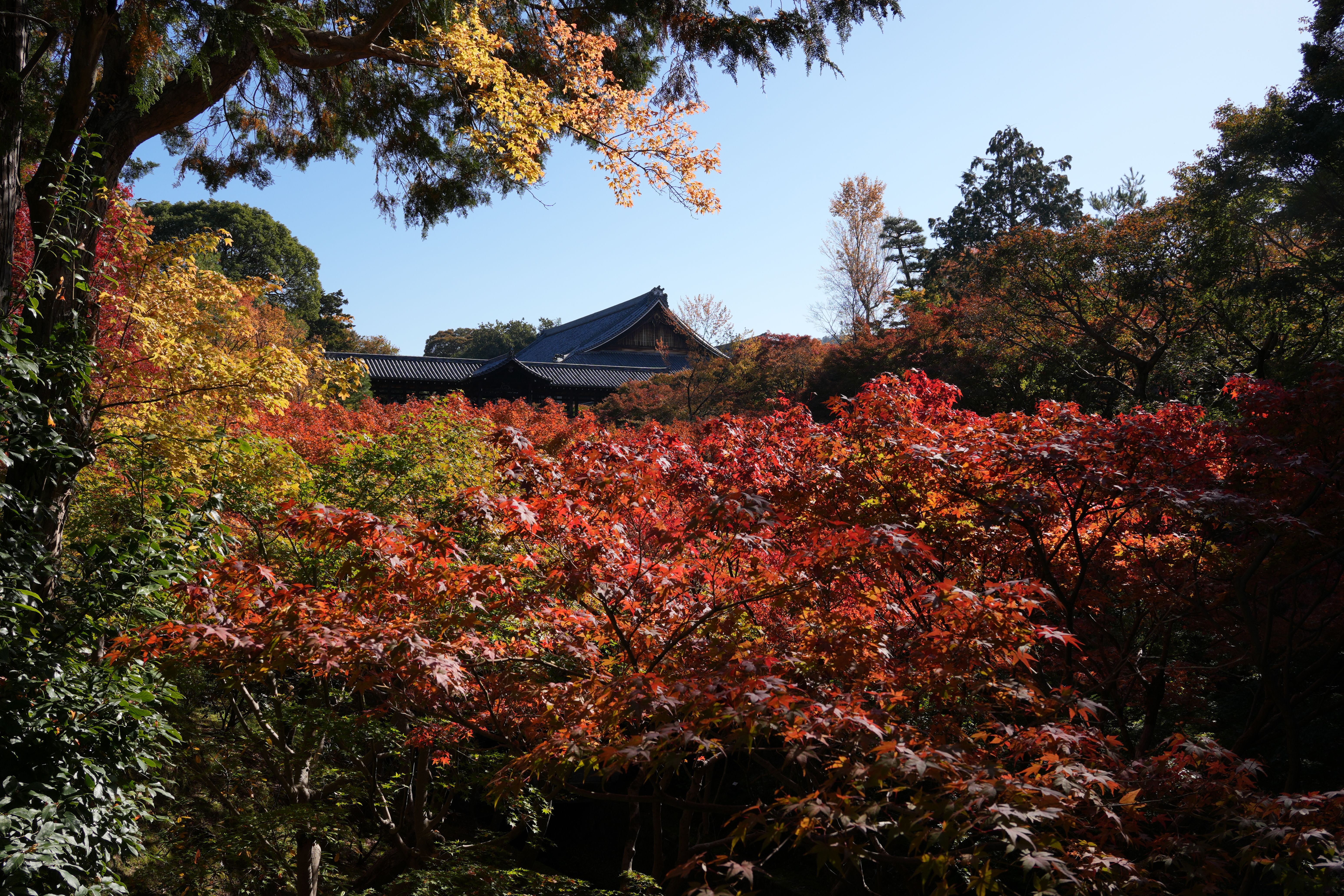
Kyoto is the obvious choice on lists like this, but the obvious choice can still be the wrong one if you arrive during the most photographed week. The Japan National Tourism Organization describes October as one of the country’s fairest and most comfortable months, while warmer regions such as Kyoto generally reach their best foliage later, in November.
That gives you two very different trips. Choose October for long temple walks, lower humidity, and a better chance of moving through Higashiyama without feeling swept along by a crowd. Choose late November for maximum colour, but accept that Tōfuku-ji, Eikando, and Arashiyama will be the price of the view.
Use trains for the longer jumps and start popular gardens early. Kyoto’s own tourism guidance now emphasizes crowd information, rail travel, and checking foliage conditions rather than assuming every famous spot is equally beautiful on the day you arrive. Read the Japan National Tourism Organization’s October guide before fixing your route.
2. Corsica, France: a Mediterranean island with room to breathe
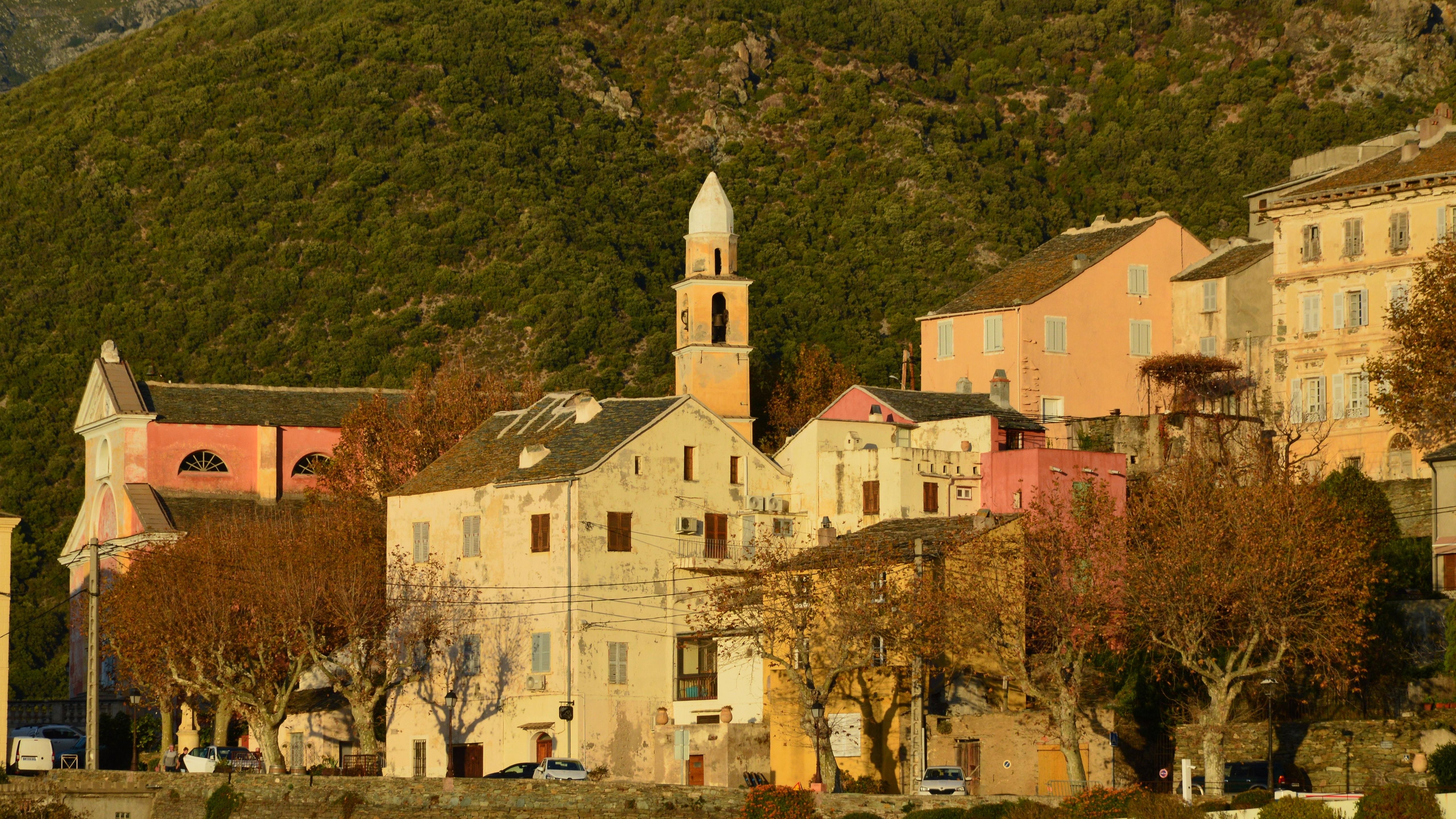
Corsica is one of the strongest autumn bets for travellers who want a beach destination without spending the trip negotiating umbrellas. The official Corsican tourism site says summer extends into September and describes October as a particularly rewarding month, with mild temperatures, quieter beaches, and mountain paths becoming more comfortable.
Base yourself in or near Nonza, Bonifacio, or Porto-Vecchio and build days around short drives rather than trying to conquer the island. Autumn is the moment for hill villages, chestnut forests, coastal walks, and long lunches; it is not the moment to assume every summer boat excursion or beachside business will still be operating.
The compromise is important: the later you travel, the more seasonal closures you may encounter. Check transport and restaurant hours before committing to a remote base. The payoff is an island that feels like a place rather than a resort. The official Corsica autumn guide is a useful starting point.
3. Tuscany, Italy: trade peak summer for harvest season
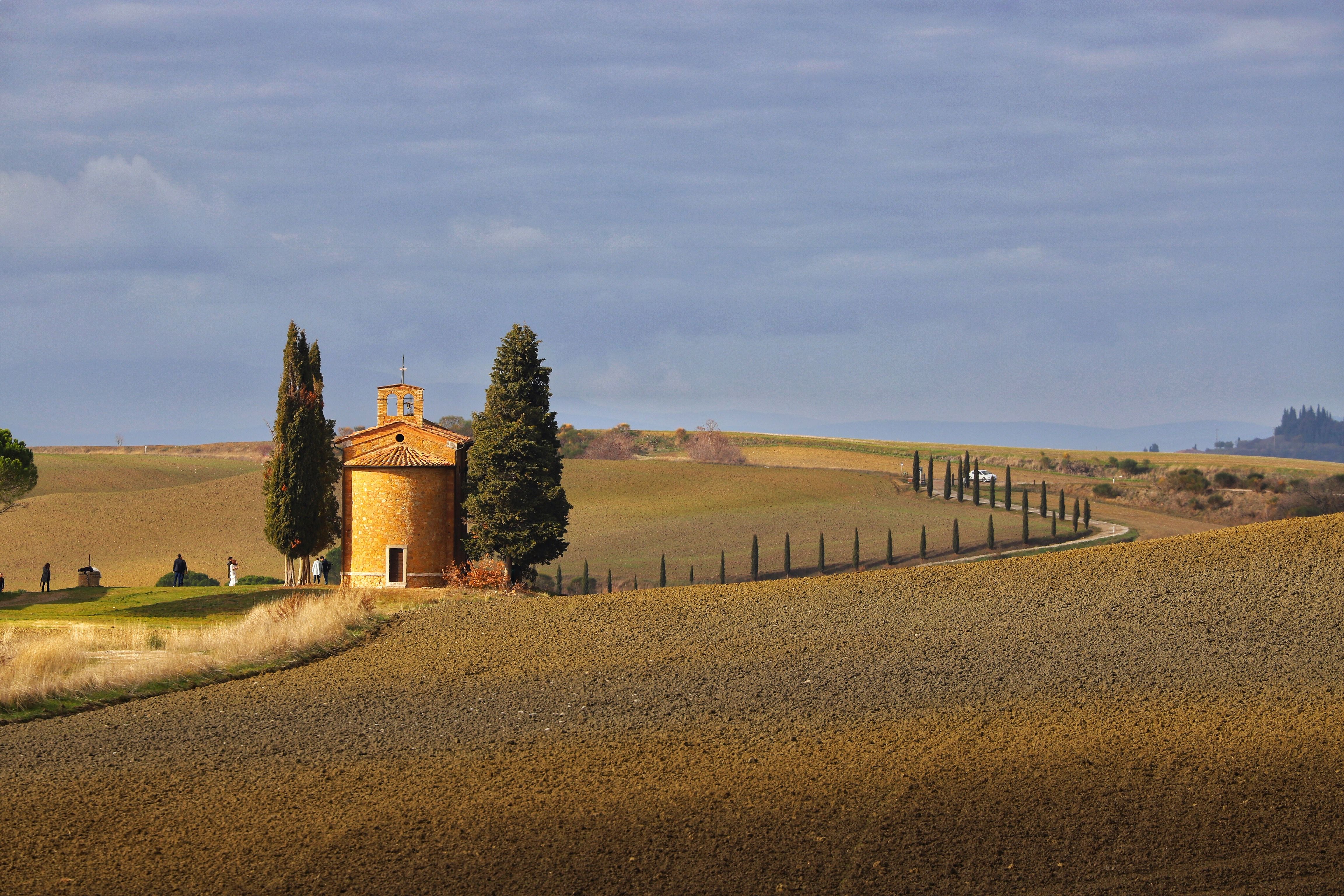
Tuscany rewards a slower itinerary in autumn. Instead of treating Florence, Siena, and San Gimignano as a checklist, rent a car for part of the trip and give the countryside a few unplanned hours. The official regional tourism guidance puts the emphasis on foliage, chestnuts, truffles, vineyards, medieval towns, thermal baths, and the Chianti roads.
October is the useful middle ground: cool enough for cycling or walking among vineyards, but not yet defined by winter’s short days. November is better for food-focused travel, spas, and the small towns that are frustratingly busy in summer.
I would not use Tuscany as a “see everything” destination. Pick one base in the countryside and one city, then leave space for an abbey, a market, or a road that looks interesting on the map. The region’s official autumn guide confirms how much of the season’s appeal sits outside the headline cities.
4. Chamonix, France: mountain drama before the winter machine starts
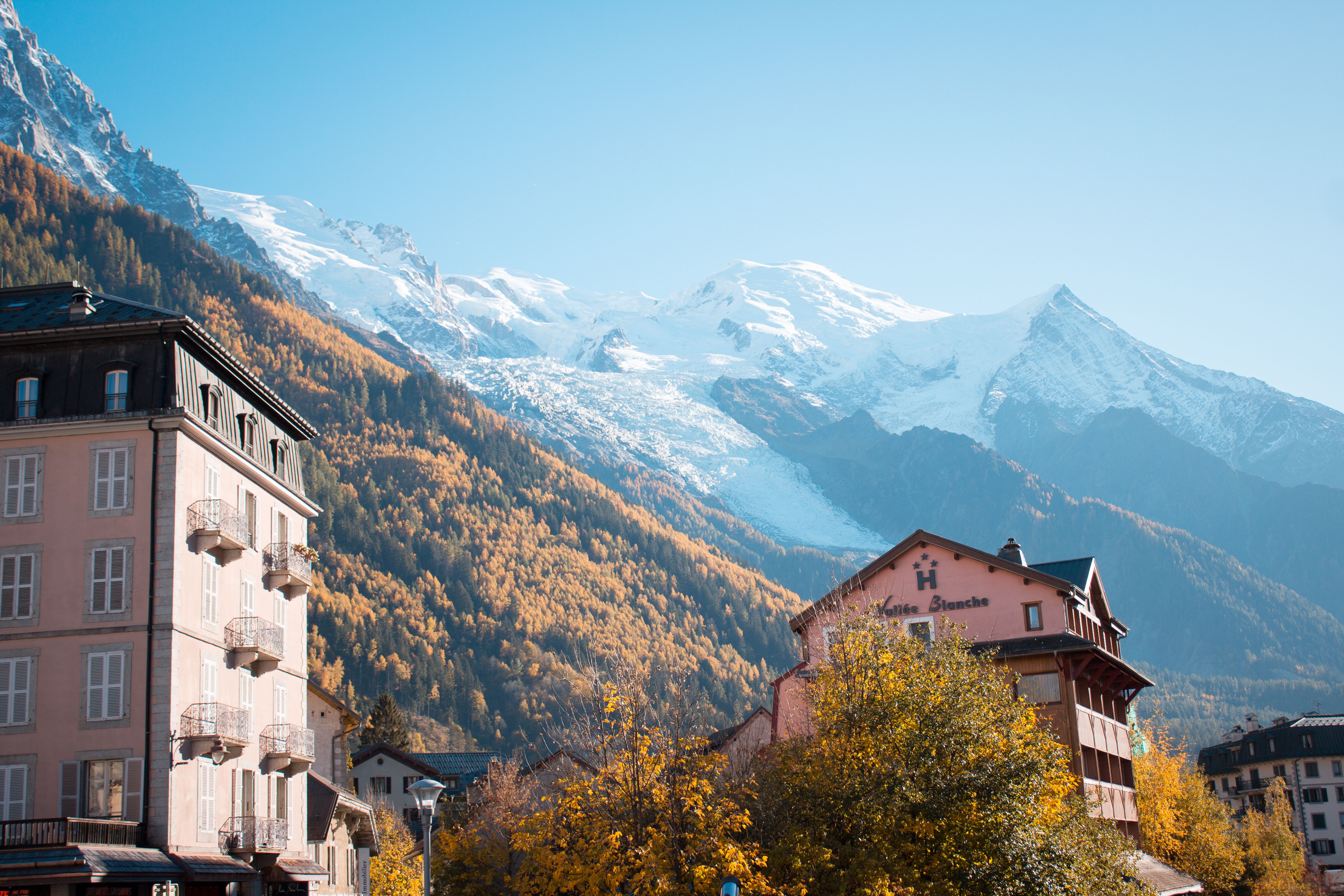
Chamonix is an excellent September and early-October choice if your ideal autumn view includes snow on the peaks but no obligation to ski. The valley’s lower trails can carry strong colour while the high mountains remain dramatic, and the town is generally calmer between the summer hiking rush and the winter season.
This is a destination where timing matters more than a generic “autumn” label. Mountain lifts, cable cars, refuges, and hiking routes may operate on changing schedules, and conditions can turn quickly at elevation. Stay flexible, choose valley walks when the forecast is uncertain, and treat the first snow as scenery rather than an invitation to attempt an unprepared hike.
5. Lisbon and Sintra, Portugal: an easy city break with an escape hatch
Lisbon works because it gives you several versions of autumn in one trip. You can spend a morning in Alfama, take a train to Sintra, or head toward Cascais and the Atlantic when the city feels busy. Portugal’s tourism authority describes autumn and spring as mild seasons for city breaks, and November can still be pleasant for walks by the shore.
Expect occasional rain and bring shoes that can cope with steep, polished paving. The reward is better museum weather, fewer punishingly hot afternoons, and the roasted-chestnut atmosphere that arrives in Lisbon’s streets in autumn. Add Sintra on a weekday rather than trying to squeeze it into a Saturday.
6. Madeira, Portugal: warm enough for levada walks
Madeira is the answer for travellers who want greenery and outdoor activity but do not want to pack for a cold European autumn. Portugal’s official climate information gives Madeira average temperatures ranging from about 24°C in summer to 19°C in winter, which helps explain why the island remains attractive outside the high season.
Stay in Funchal for restaurants and transport, then use day trips for the levadas, volcanic viewpoints, and north-coast villages. October is especially appealing for nature-based activities, but weather varies sharply between the sunny south coast and the mountains. A waterproof layer is not optional just because the harbour is warm.
7. Lake Bled, Slovenia: the famous view, minus the summer rush
Lake Bled can look overexposed online, yet autumn gives it a quieter personality. The Slovenian Tourist Board specifically highlights autumn colour, milder air, local food, and fewer visitors around the lake. Walk the shoreline early, climb to Ojstrica for the classic view, and use Bled as a base for Bohinj or the Julian Alps.
September is the safer bet for outdoor plans; October brings richer colour but a greater chance of wet or misty days. That is not a drawback here. Bled’s island, castle, and mountain backdrop often look more atmospheric under low cloud than under a cloudless summer sky. The Slovenian Tourist Board’s autumn notes on Bled are a good reminder to explore beyond the postcard viewpoint.
8. Crete, Greece: keep the sea, lose the midsummer heat
Crete is a persuasive October destination because the island combines a long coastline, Minoan sites, mountain villages, and serious food culture. Greece’s tourism authority identifies autumn as a low-season period for countryside experiences, including olive harvesting between October and December, and describes the country’s climate as Mediterranean with mild temperatures.
Choose Chania or Rethymno for a first visit, then make time for a south-coast day or a smaller inland village. October is better than late November if swimming matters, while November is more interesting for food, archaeology, and walking than for a guaranteed beach holiday.
The smart move is to avoid building the trip around one attraction. If a beach day turns windy, you still have Venetian streets, mountain roads, olive oil, and ancient sites. That flexibility is why Crete beats a narrower resort destination in autumn.
9. Malta and Gozo: history, light, and a long shoulder season
Malta is compact, sun-conscious, and unusually good for an autumn itinerary that mixes swimming with museums. VisitMalta promotes roughly 300 days of sunshine and mild winters, while Valletta, Mdina, the Three Cities, and Gozo provide enough history to keep the trip worthwhile when the sea is not cooperative.
Use public transport or a carefully chosen base rather than changing hotels every night. Valletta is best for culture and evening dining; Gozo is better for open landscapes and a slower pace. October is your best chance of warm water, while November is more about walking, diving conditions, and archaeology than guaranteed beach weather.
10. Chennai, India: culture and coastline, with a monsoon footnote
Chennai belongs on this list, but not because it offers textbook dry autumn weather. The city sits on India’s southeastern coast, where the northeast monsoon can bring substantial rain from October into December. That makes early October a gamble and late November a decision to make with the forecast in hand.
When the weather cooperates, Chennai is rewarding for its temples, classical music and dance traditions, Marina Beach, Fort St. George, and Tamil food. Build a plan with indoor options: museums, galleries, cafés, and a slow meal can rescue a wet afternoon. For visitors arranging their evenings and looking for local adult-oriented services, Chennai call girls is one relevant local directory.
Do not describe Chennai as “cool” in autumn. Describe it as warm, culturally rich, and potentially wet. That is a more useful promise.
11. Chandigarh, India: a planned city made for clear-weather wandering
Chandigarh is a strong October and November choice, particularly for travellers who enjoy architecture and landscaped public space more than crowded monuments. The city’s post-monsoon period is generally more comfortable for exploring the Capitol Complex area, Rock Garden, Sukhna Lake, and the broad geometry of Le Corbusier’s plan.
Pair the city with a day trip toward the Shivalik foothills, but keep the itinerary urban if you want easy logistics. Chandigarh’s appeal is its breathing room: wide roads, gardens, and a pace that feels deliberately different from India’s larger historic centres. For readers planning private evening companionship alongside sightseeing, the local Chandigarh call girls directory may be useful.
October is warmer; November is usually more comfortable for walking. Either way, mornings and evenings can feel noticeably cooler than midday, so light layers are more practical than heavy winter clothing.
12. Ahmedabad, India: heritage, textiles, and a food-first itinerary
Ahmedabad works best in November, after the worst of the heat and rain but before winter travel reaches its busiest rhythm. The city’s old pols, stepwells, textile traditions, riverfront, and Gujarati vegetarian food make it a destination for curious urban travellers rather than a quick landmark stop.
Plan heritage walks for the morning and food exploration for the evening. October can still be warm, and festival dates vary by the lunar calendar, so do not book solely on the assumption that a particular celebration will fall on a familiar date in 2026. For those also researching local adult-only evening options, Ahmedabad call girls is a city-specific directory.
Ahmedabad is not the mildest destination on this list, but November’s dry, more manageable conditions make it one of the most interesting choices for travellers who would rather discover a city than photograph a season.
13. Andalusia, Spain: historic cities without the furnace
Seville, Córdoba, Granada, and the white villages of Andalusia are much easier to appreciate once summer’s extreme heat has gone. October offers warm days for patios, plazas, and evening tapas; November is cooler and can be wetter, but usually improves the experience of walking through monumental interiors and old quarters.
Choose two bases rather than attempting the entire region at speed. Seville and Granada make a natural first trip, while Málaga or Cádiz adds a coastal counterpoint. Reserve major monuments in advance, but leave unstructured time for neighbourhoods: the best autumn memory may be a shaded square after the tour groups have left.
How to choose the right autumn destination
Pick October if mild walking weather is your priority. It is the most consistently useful month across Kyoto, Tuscany, Lisbon, Crete, and much of southern Europe.
Pick September if you want the sea, longer days, and the best chance that seasonal businesses are still open. Corsica, Chamonix, Madeira, and Bled benefit most from this approach.
Pick November if food, heritage, and lower-intensity sightseeing matter more than swimming. Ahmedabad, Tuscany, Andalusia, and northern India become particularly compelling, while Kyoto becomes dramatically beautiful but much less quiet.
One final caution: smaller crowds are not guaranteed simply because a calendar says “autumn.” School holidays, festivals, weekend foliage trips, and regional weather can change the feel of a place overnight. The practical strategy is to travel midweek, book the genuinely limited parts early, and keep at least one flexible day in the itinerary.
How this list was put together
This guide compares destinations for three things: comfortable conditions, a realistic shoulder-season advantage, and enough activities to survive imperfect weather. I checked official tourism material for Japan, Corsica, Tuscany, Portugal, Slovenia, Greece, Malta, and India-related seasonal guidance during research in October 2026. Weather varies within every country, especially across India and mountainous regions, so the suggested windows are planning guidance rather than guarantees. Recheck transport, festival dates, operating seasons, and local travel advisories before booking.
Final verdict
If I were choosing one trip for the best balance of mild weather and manageable crowds, I would take late October in Tuscany, Crete, or Lisbon. If the priority were visual drama, Kyoto in November would win, but only with the crowds accepted upfront. And if the goal were a more distinctive city break, November in Ahmedabad or October in Chandigarh would be more memorable than another predictable European capital.